
From Fablabs to Fab Cities, This is how cities are becoming circular and self-sufficient
An interview with Josefina Nano from Fab City foundation

Begin the transition from PITO (Product In, Trash Out) to DIDO (Data in, Data Out).
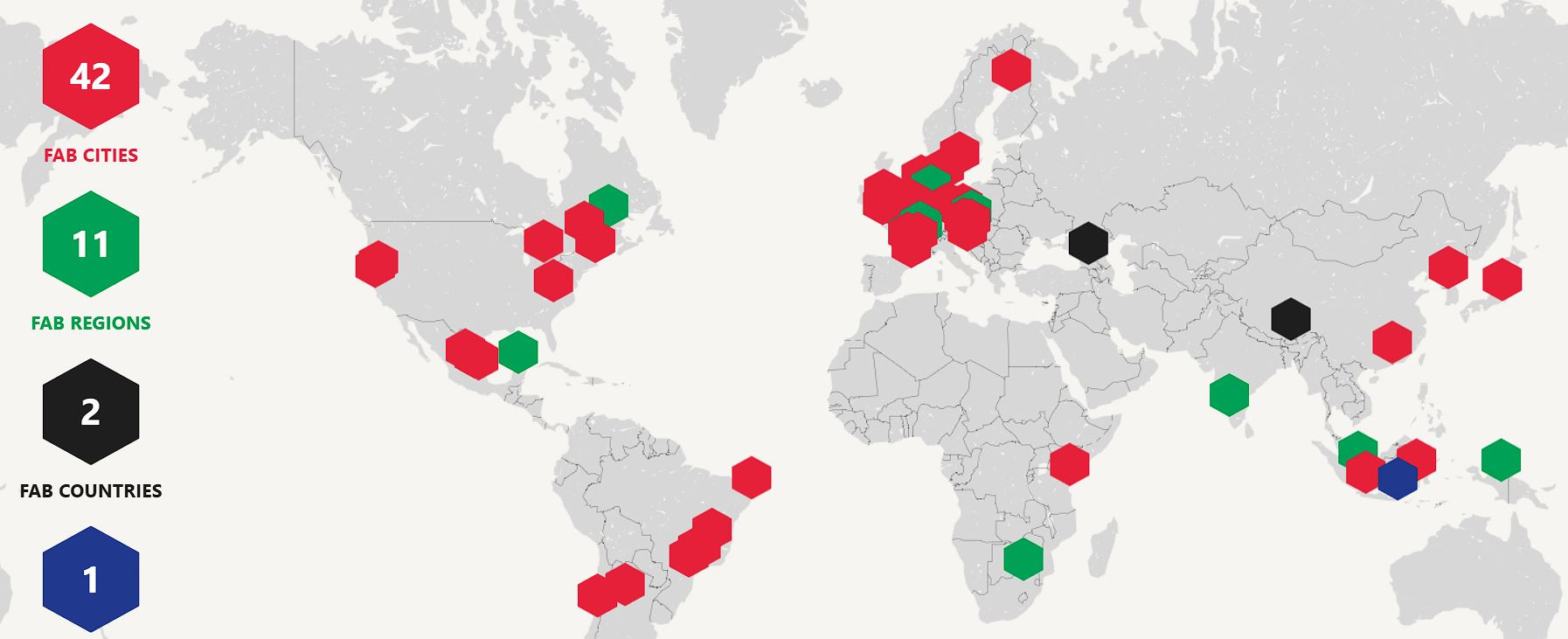
Distribute innovation across scales, from a maker’s space to a policymaker’s agenda. When Barcelona pledged to become a self-sufficient city by 2054, it initiated a global movement that expanded to 2000 fablabs across 50 cities of the world.
Fab City is building the capacity for local production. Outcomes stay local, the knowledge spreads globally. It is an open-source movement. Since city systems and urban metabolism have been shaped over a long period of time, going through industrialism and consumerism, it becomes difficult to reshape how they operate.
Yet, across energy, mobility, food and waste, cities such as Barcelona have proved that it is possible. And Fab City has the framework to help make this transition happen:
Fab City full stack
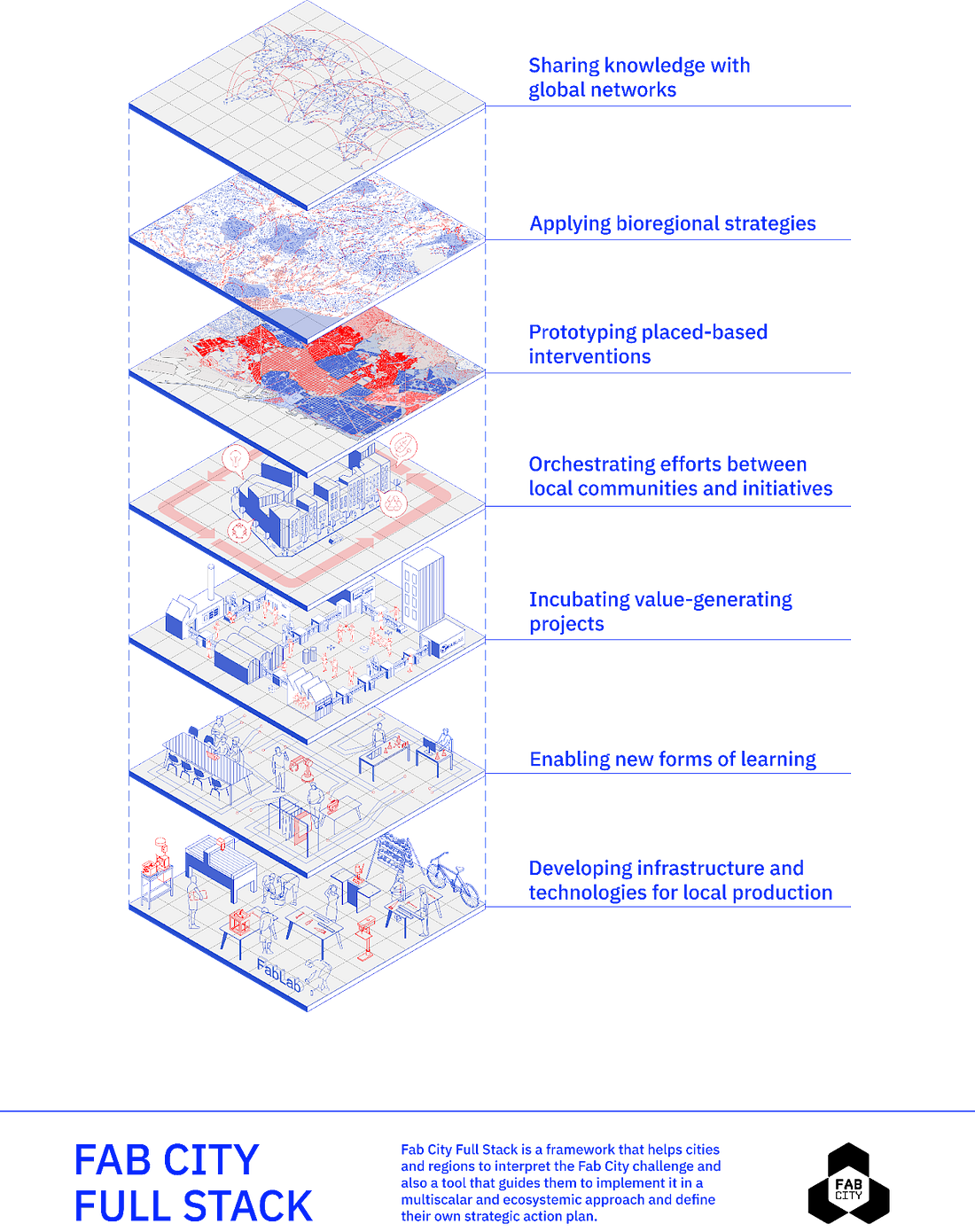
Infrastructure - Fab Labs and maker spaces for local production
Education - Capacity building programs and knowledge transfer
Incubation - Converting ideas into real value-generating projects
Community engagement - Understanding local needs and contexts
Place-based interventions - Prototyping solutions with community involvement
Bioregional strategies - Scaling successful interventions across regions
Global knowledge sharing - Open source distribution of solutions
This framework helps urban practitioners to understand what factors to analyze at each level and how to scale circularity from a workshop to a regional scale, while considering the differences.
“Fablabs are sometimes misunderstood as hobby spaces.”
Fablabs are the ground floor of the whole circularity ecosystem, aiming to reduce the need to buy new through repair and redesign. A small-scale digital fabrication + community working space. Let’s go over some examples;
In Fab City Plymouth (UK) is a research-intensive program with investment mainly going to bio materials.
In the Latin American context, fablabs support grassroots initiatives. Since these cities do not possess the monetary means to develop technology on a large scale, the way to cope with resource mobilization challenge is to become innovative.
In the sub-Saharan region, the focus is shifting directly to self-sufficiency, without going through the destructive consumption behaviors.
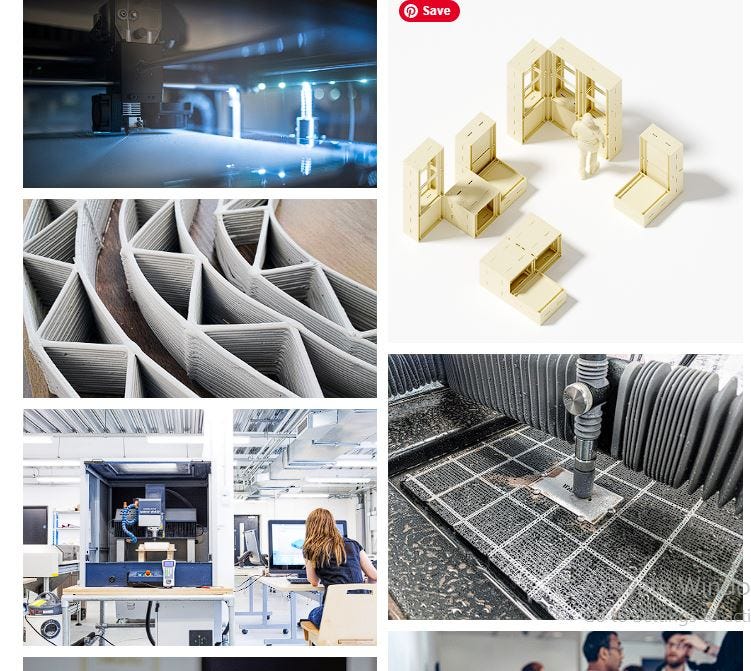
In Central Europe, the conversation is different, bringing 3d printers, laser cutters and robotic arms. A Regional network in Germany called Bergisches, has created a loop between cities, where waste from the textile and food sector of one city ends up in the construction industry of another.
There are various challenges and multidisciplinary initiatives in Southeast Asia as well.
How the solutions move within the network
“Local, iterative, distributed, resilience.”
Technology transfer has shifted from being Global North → Global South to locally adapted solutions → fed back to the Globe. The foundation has recognized these initiatives and curated databases and collaboration opportunities for everyone to participate:
Fab City challenge participants become equipped with frameworks and the thinking behind building circular systems. Another way they contribute is by developing entrepreneurial skills at community level. Many participants built their products, found their business partner or started their own ventures.
The emergence of a new profession
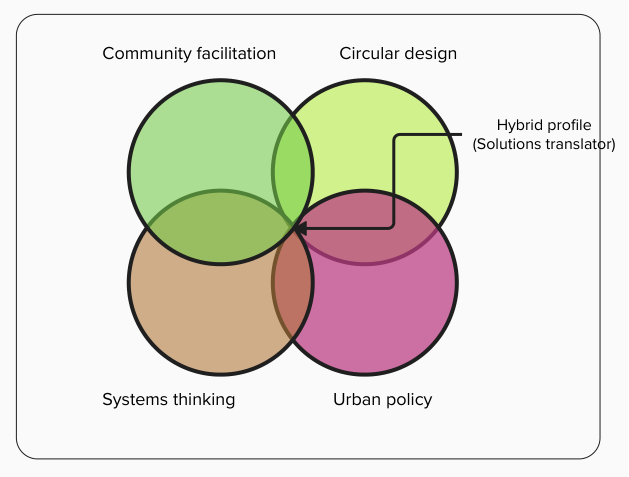
Josefina mentions that Fab City Foundation is actively looking to build pathways for a new professional role to emerge. Someone who translates between a workshop and a government, between a fablab and a city climate action plan.
Build solutions for your city
= Start at fablabs, not just to build a solution, but to nurture meaningful relationship
= Identify a problem specific to your city
= Become a part of the network and understand local community needs
= Use entry points to realize your ideas, test and iterate it simultaneously
= Build in systems, not just products, connect platforms and structures
So tell me, if there is a way that you could make your city more sustainable, what would you build? What Idea would you bring to the table? Just a spark is enough. And Fab City has the seed funding for it :)
Josefina Nano is the programme manager at Fab City, responsible for designing and executing challenges, distributing grants, selecting jurors, and aligning organizations with Fab City vision.
Lets push our cities to become Fab Cities. Thanks for your time.